Table Of Content

Using carrier oils helps decrease the risk of adverse skin reactions, such as dermatitis, when using essential oils on the skin. If you want products that effortlessly fit into your beauty routine, consider the Aveda Rosemary Mint Purifying Shampoo and Aveda Rosemary Mint Weightless Conditioner. These products come highly recommended by Karan Lal, MD, a board-certified dermatologist and director of cosmetic dermatology at Affiliated Dermatology in Scottsdale, Arizona.

What are the main benefits of rosemary oil for hair?
Both Dr. Garshick and Dr. King say that rosemary oil can be applied directly on hair or scalp for maximum benefits. "The safest and most effective ways to use rosemary oil to reap the benefits include massaging about five drops directly onto the scalp with a small amount of carrier oil," says Dr. Garshick. "Carrier oils like argan, jojoba, or coconut oil are ingredients that work well with rosemary oil because pure rosemary oil may cause some irritation." While there's plenty of anecdotal evidence to suggest that rosemary oil can help with hair health, there's actual science to back up the claims, too.
What are the side effects of rosemary oil on hair?
Because it’s a pretty potent ingredient, for some, excess use of rosemary oil may lead to some itching and burning, says Holdsworth. “It can cause mild irritation of the scalp and should be discontinued if this is experienced,” adds Dr. Garlapati. According to Dr. Garlapati, rosemary oil may help with hair growth through a few different processes, like blocking the effects of DHT and creating a healthier scalp environment for hair growth. Anyone using minoxidil or other hair regrowth treatments should check with their healthcare professional before using rosemary oil. A study from 2022 also found evidence that rosemary oil can aid in hair growth.
Does rosemary oil help with hair growth?
This has potential use in helping to preserve food and also keep your skin healthy. Though some manufacturers claim it’s safe to swallow or consume their essential oils, there isn’t scientific evidence supporting this — especially over the long term. When rosemary oil was measured against 11 other essential oils, it had the longest repellent effect on Aedes aegypti mosquitoes, which spread the Zika virus. A dilution of 12.5% rosemary oil repelled 100% of the mosquitoes for 90 minutes (16, 17). Other research suggests that inhaling rosemary and other essential oils may improve brain function in older adults with dementia, including those with Alzheimer’s disease (8).
What to Know About Rosemary Oil for Hair Growth, According to Experts
It has also been studied as a non-pharmaceutical adjunct to pain management (13). Additionally, their blood levels of certain rosemary compounds likewise increased — illustrating that rosemary can enter your body through breathing alone (6). All products featured on Glamour are independently selected by our editors. However, when you buy something through our retail links, we may earn an affiliate commission. Good Housekeeping participates in various affiliate marketing programs, which means we may get paid commissions on editorially chosen products purchased through our links to retailer sites.
Best for Temporary Hair Thinning: René Furterer Triphasic Reactional Concentrated Serum
Never apply the undiluted essential oil directly to the hair or scalp. After mixing about 5 drops of rosemary essential oil with a teaspoon of carrier oil (like jojoba oil or coconut oil), massage evenly into your scalp after bath or shower. Rinsing out the oil afterward is optional — though if you do rinse, let the oil sit on your scalp for at least 5 to 10 minutes beforehand. In conclusion, rosemary oil is a powerful natural remedy for promoting hair growth and improving the health of your hair.
But as is the case with most hair growth remedies, don't expect results overnight. As great as a rosemary oil concoction might be for calming inflammation, it's no magic hair cocktail—but hey, it might be worth a shot. Once you mix the rosemary oil with the carrier oil, massage it into the scalp. If you choose to rinse it out, do so after the solution is on the scalp for at least a few minutes.
You must mix a few drops of rosemary oil with carrier oils such as almond oil, jojoba oil, olive oil, and coconut oil to lessen its concentration. Pre-made rosemary oil products meant for topical use, like scalp treatments and body oils, are usually created by blending rosemary essential oil with a carrier oil, like almond or coconut oil. When using rosemary oil to promote hair growth, you can blend a few drops with your shampoo or conditioner or mix several drops of rosemary oil with a carrier oil and then massage it into your scalp. While people mistake rosemary oil for rosemary extract, the two have notable differences.
Peppermint Oil, Hair Growth, and Possible Benefits
More revealing recent studies show that rosemary directly helps protect against hair loss. One 2015 trial pitted the essential oil against minoxidil, commercially known as Rogaine. Both were used on human subjects with androgenic alopecia (male or female pattern baldness). For what seems like forever, coconut oil has been touted as the ultimate hair-and-scalp treatment. On TikTok alone, the term "coconut oil for hair" has over 33 million views and counting. Recently, however, both hair stylists and trichologists have been sharing that cedarwood oil may have more scalp-specific benefits, and therefore could be extremely beneficial to hair health and growth.
It is also important to always do a patch test before trying a new essential oil. Beth Gillette is the beauty editor at Cosmopolitan with five years of experience researching, writing, and editing hair stories that range from shea butter for hair to shampoos for oily hair. She’s an authority in all hair categories, but is an expert when it comes to rosemary oil for hair.
Rosemary Water For Hair Growth: Does It Work? - POPSUGAR
Rosemary Water For Hair Growth: Does It Work?.
Posted: Tue, 27 Feb 2024 08:00:00 GMT [source]
It's the same fragrant rosemary you season your veggies and garnish your cocktails with and is often considered an aromatic herb, like basil, lavender, and sage. Its fragrance is why it’s often used in perfume formulations, while its potential to help minimize inflammation is why it’s often found in skincare and haircare products. Use this ultra-lightweight scalp and hair oil treatment before shampooing to boost your hair’s manageability and shine factor.
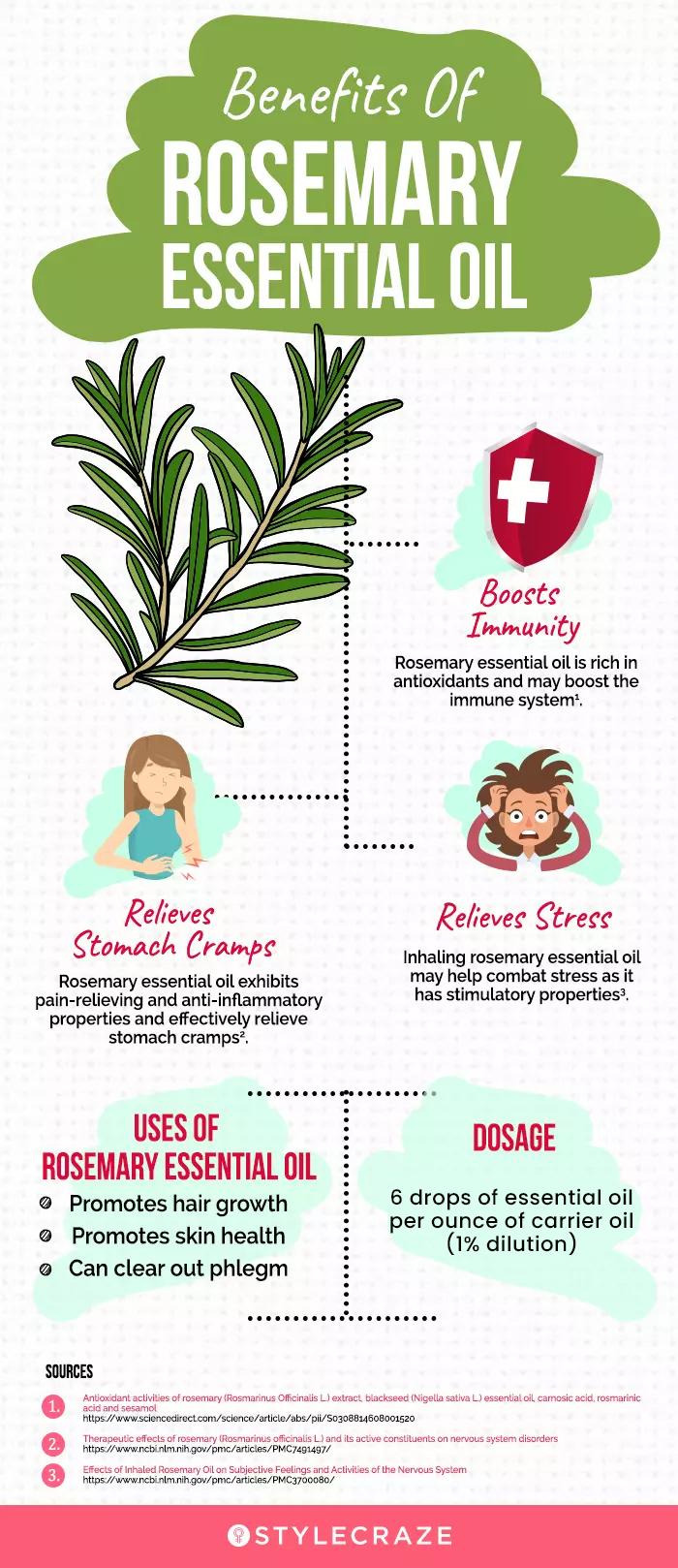
In a small 2012 study, 20 adults who were exposed to rosemary essential oil diffused in the air experienced improvements in performance on cognitive tasks, including tasks involving speed and accuracy. Applying rosemary oil to your skin and hair and inhaling it as aromatherapy may offer a few health benefits. Rosemary oil differs from rosemary extract, as they contain different compounds in varying concentrations. Rosemary extract supplements can be taken orally, while rosemary oil is applied topically or inhaled as aromatherapy. Here’s everything you need to know about rosemary oil, including its potential health benefits, risks, and safety.
Avoid applying rosemary and other essential oils to damaged skin or near sensitive areas, such as your eyes. Essential oils are packed with many benefits for our hair, but none is more sought after than rosemary oil. Apart from being a mainstay ingredient in countless hair products, it’s also gone viral all over everyone’s favorite source for beauty inspiration (aka TikTok). Dr. Neera Nathan, Vegamour’s chief dermatological advisor, shares more about the benefits of rosemary oil for hair and scalp. First things first, Dr. Garlapati says you should always consult a dermatologist to determine the cause of hair loss before attempting to treat it at home. However, she adds that rosemary oil is a good option for those looking to take a natural route to manage the problem.
"There are also some mixed in carrier oils that could be helpful to hydrate the scalp (like coconut oil) or, on the other hand, can be more irritating, like sandalwood, clover and menthol oils like peppermint oil." For a DIY formula, she suggests mixing a few drops of rosemary oil with your choice of carrier oil and massaging into your scalp 20 minutes before you shower to invigorate and nourish the skin. Or try "mixing it into your shampoo bottle to enhance the cleansing and antioxidant power," Reslan adds. You can also buy rosemary oil-based hair products that come pre-mixed with carrier oils. No, you most likely will not want to directly apply rosemary essential oil to your hair or scalp. You can use rosemary oil to treat the hair and scalp in a variety of ways.
In a 1998 randomized, controlled, double-blind study of 86 patients with alopecia areata, it was found that an aromatherapy essential oil blend of thyme, rosemary, lavender and cedarwood was way more effective than the placebo. Basically, rosemary oil has been found to be equally as effective as topical minoxidil, which treats androgenic alopecia, but it’s safe for all hair loss patients. Like peppermint essential oil (also used to promote hair growth), rosemary essential oil strengthens circulation. As a result, it could prevent hair follicles from being starved of blood supply, dying off, and leading to hair loss. Rosemary oil is rich in antioxidants that can help improve scalp health and stimulate hair follicles. The oil also has anti-inflammatory properties that can help soothe scalp conditions like dandruff and itching, which can also contribute to hair loss.
Apply the mixture to the scalp and “leave on for an hour before washing,” Doyle adds. Rosemary oil has a lot of benefits that could potentially lead to hair growth down the line, even if it isn't a proven method for growth. Carnosic acid, one of the main ingredients in rosemary oil, is thought to potentially stimulate and heal nerve tissue, according to one 2010 study, which could possibly do the same to your scalp and help encourage hair growth. The pros also point out that cedarwood oil may have hair-growth benefits because of its stimulating powers. Of course, that also means it may be overstimulating for those with sensitive skin or scalp and should be used accordingly.


